Does God Always Answer Our Prayers?
Is there anything more frustrating than a non-response to an email, phone call, or text? When we leave a message on someone’s phone with a question or need, we expect a prompt follow-up call, even if the answer is “Negative, Ghost Rider!” We crave the immediate response from an email or text. We await the bold email header with a “Re:” in our inbox or the pulsating dots indicating an incoming texted reply. If delayed, we impatiently wonder if our message was unclear, if it lacked sufficient urgency, or whether the recipient even cares about us at all. Do they not understand that my life has come to a standstill while I await their answer? Did they not give thought to my spiked cortisol or my heart palpitations involved with their discourteous non-response? Are we even friends?
Sometimes, we might feel this way in our prayers to God Almighty. Perhaps you have prayed to God and believe He has not responded to your petition(s). Did the “non-response” leave you with doubts about whether He heard you, whether you were clear, or if God cares about you? Did He answer and I just missed it? Was His response a “not yet”? Is there something hindering the response? How would I know?
The simple and short answer to the question of whether God always answers our prayers is a resounding “yes”! However, this affirmative response requires some explanation, so we do not rush to ill-advised conclusions on how and when He answers them. Let’s start with the following biblical principles:
The Lord does not owe us a response, but because He is bound by His Word, we can know that He will answer us. (Matt. 21:22; Luke 11:9–10; John 14:13; John 15:7; John 16:23; Rom. 10:13; Eph. 3:20–21; Jas. 1:5; 1 John 3:22; 1 John 5:14)
If we are truly born again, then He is our heavenly Father, and therefore, He loves us, He cares for us, and He greatly desires to give us good things. (Matt. 7:11; Rom. 8:32; Eph. 2:4–5; 2 Cor. 9:8–11)
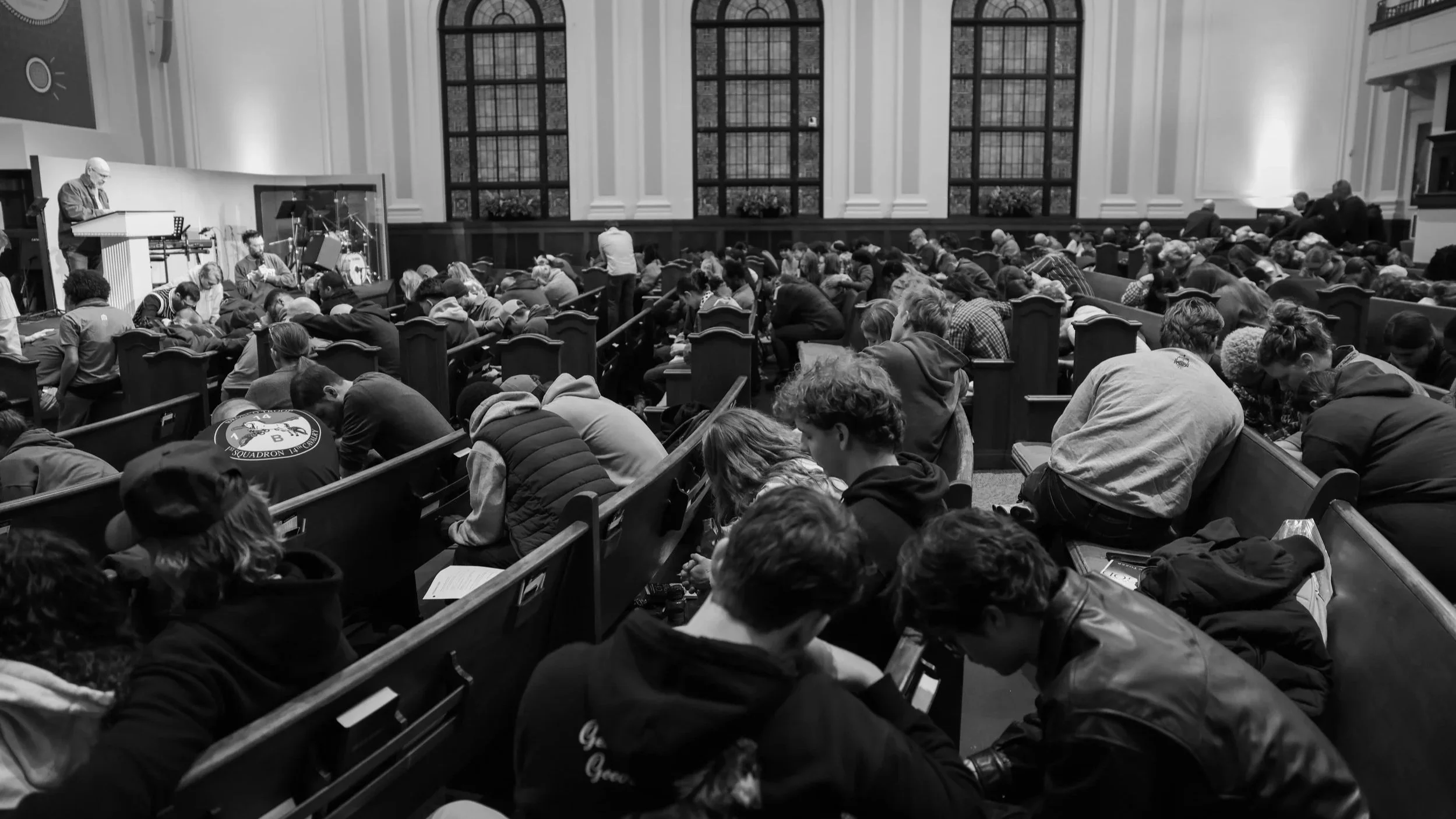
In consideration of the above, a supposed non-response might be based upon the following:
Obstructed Prayers — Our prayers might be hindered by the petitioner, not our Patron (as we might think). It is clear from the Bible that unconfessed sin, a grievance with a brother or sister, an inability to forgive, or faithlessness can hinder our prayers (1 Sam. 28:6; Psa. 66:18; 1 John 3:22; Matt. 5:23–24; 1 Pet. 3:7; Heb. 11:6). God might just be answering my prayer by pointing to that thing in my life that should be addressed first. This is called conviction, and it is a prompting of the Holy Spirit to repent, confess, and come to the Lord with clean/holy hands (1 Tim. 2:8; Jas. 4:8). There is a great type in the priest’s approach through the Old Testament tabernacle. Prior to entering the holy place or approaching the mercy seat of God, that priest would sacrifice at the altar and wash at the laver, thus reflecting a spiritual picture for us to die to self and wash in the water of the Word as we approach our Father. (John 15:7; Rom. 6:11–13; 1 Cor. 15:31; Eph. 5:26; Jas. 1:5–6; 1 Pet. 1:22–23; 1 John 3:22)
We need purity in our prayer!
Obscure Prayers — I was at this year’s Certainty conference, which covered the theology of prayer, and several things stood out to me regarding prayer. One of those lessons stated that generic requests to God will likely receive generic responses. If we are not specific in our requests, how in the world would we know that He did or did not answer them (or how He answered them)? We might ask, “Lord, bless me,” or “Lord, bless her,” or “Father, help him,” or “Dear Lord, I pray for Brother X.” How would you like the Lord to bless them? How can He help them? If a child rolls up on his parent sobbing, wouldn’t the parent ask, “What’s wrong?” hoping for specificity so they can properly address what ails them? It is possible that “ye have not, because ye ask not” (Jas. 4:2b), and we are not getting the response for which we hope simply because we did not ask explicitly.
We need specificity in our prayer!

Orphaned Prayers — These prayers are shot up in apparent urgency, but then, sadly, they are abandoned. This is often referred to as a “flare prayer,” rather than ensuring that the torch remains lit. You may have heard the phrase “watch and pray” from its many uses and examples in the Scriptures. It refers to active, fervent, and/or vigilant prayer, as in James 5:16. We can easily miss out on His answer because we are not vigilant and diligent, following up on our requests. This is a great reason why a prayer journal is quite handy, as it will build your faith through seeing God’s process and power in the timing and type of response He ultimately provides.
Our prayers are not fast-food orders through a drive-through or delivered in under thirty minutes by DoorDash. The response may take time and likely involve other factors, specifically other souls, so His timing matters! We presume God did not answer, but His answer might likely be “Not yet” or “Be patient, my child.” So let’s be still and know that He is God over all! (Psa. 46:10)
We need continuity in our prayer!
Owned Prayers — We often ask for things that are just biblically unsound. I can pray selfishly and myopically. James 4:3 states that, “Ye ask, and receive not, because ye ask amiss, that ye may consume it upon your lusts.” I frequently find myself praying for my will in whatever matter or circumstance rather than for His will. I want something for myself or another, rather than seeking what the Lord desires (Matt. 16:21–24; Matt. 26:39–44; Luke 11:2; 1 John 5:14). I am thankful for the promise of Romans 8:26, whereby we know that the Holy Spirit makes intercession for me before the Father and translates my incoherent ramblings and selfish diatribes into clearer and more spiritually aligned petitions. However, as I mature in my walk with Him, my prayers should become more about God’s purpose and plan rather than my own (John 3:30).
We need humility in our prayer!
Can I conclude with one critical element to answered prayer that will also ensure we continue in prayer and watch in the same? Close the loop with thanksgiving! (Col. 4:2) Acknowledge His faithfulness, goodness, and grace towards us with the sacrifice of praise of which He is most worthy! Thankfulness keeps the focus off ourselves, makes us keener to observe His ways, and greatly assists us to pray without ceasing!

John Wright is ordained minister, an active deacon, a teaching elder at Living Faith Lees Summit, an instructor for LFBI, and an author of three Living Faith publications: Prodigals, Good Samaritans, and Peacekeepers.